Child Passenger Safety
Motor vehicle crashes remain a leading cause of unintentional injury-related death for children and teens. Car seats and seat belts, installed and used correctly, prevent injury and save lives. Unrestrained or improperly restrained children are at greater risk of serious harm.
Car seat checkup events
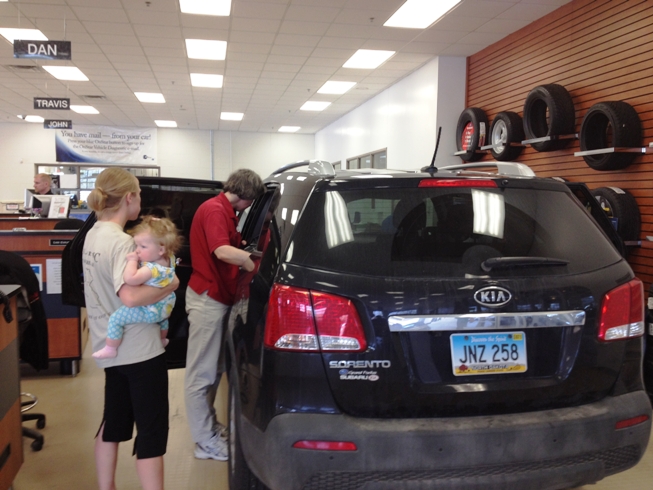
Roughly half of car seats are used incorrectly; misuse can lead to serious injury or death in a crash. Many school-age children also ride without a booster when they still need one. Safe Kids Grand Forks holds checkup events in Grand Forks, East Grand Forks, and nearby communities.
Grand Forks area

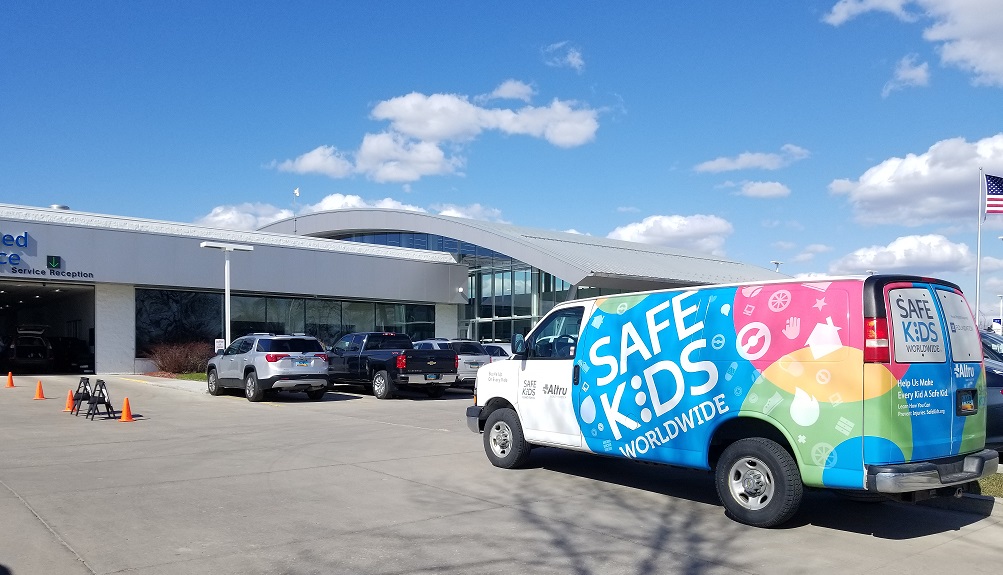
Safe Kids Grand Forks and Altru Health System partner with Rydell Auto Center and the East Grand Forks Fire Department for free, public monthly checkups.
Grand Forks 2026 schedule — East Grand Forks 2026 schedule
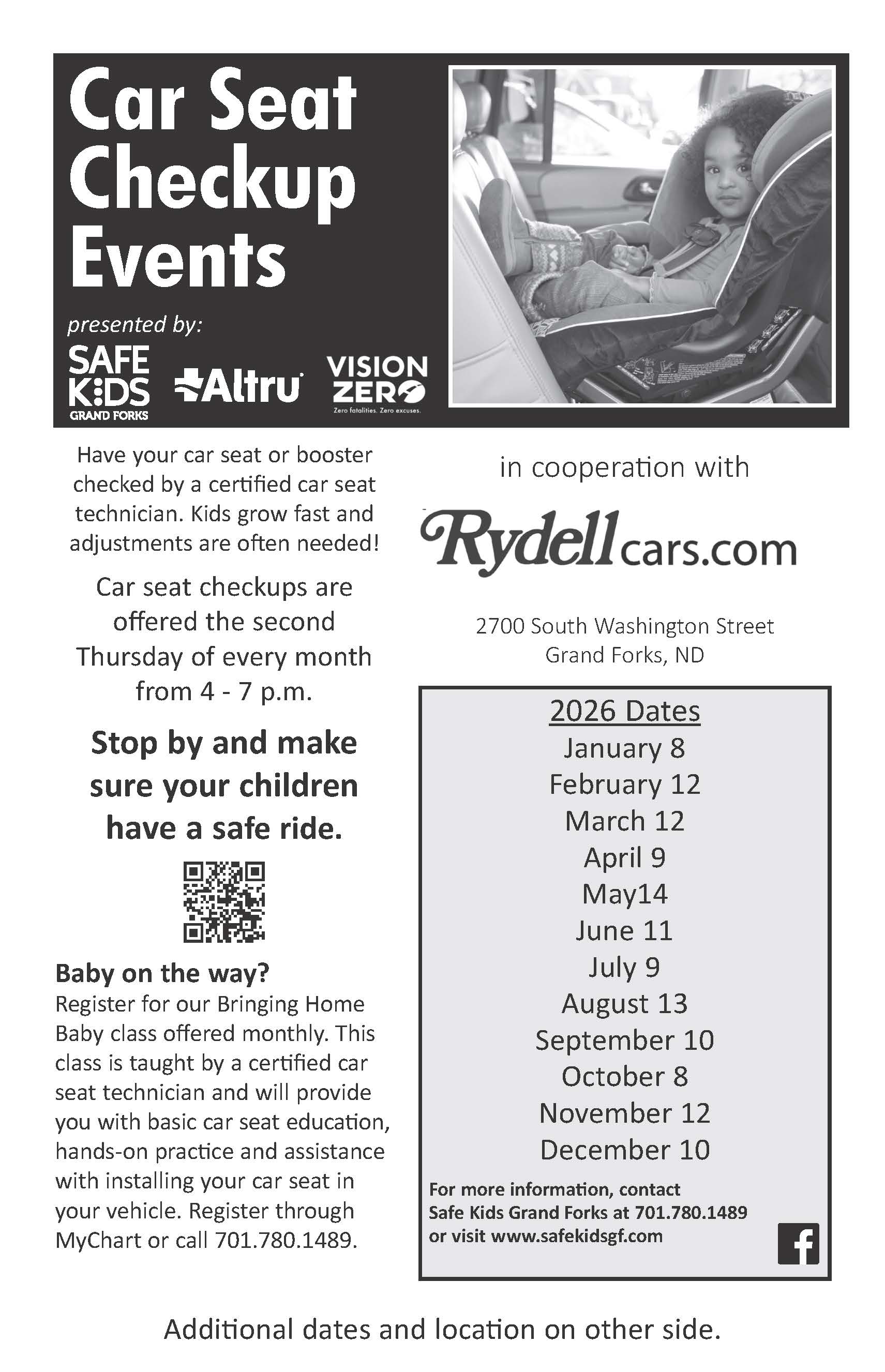
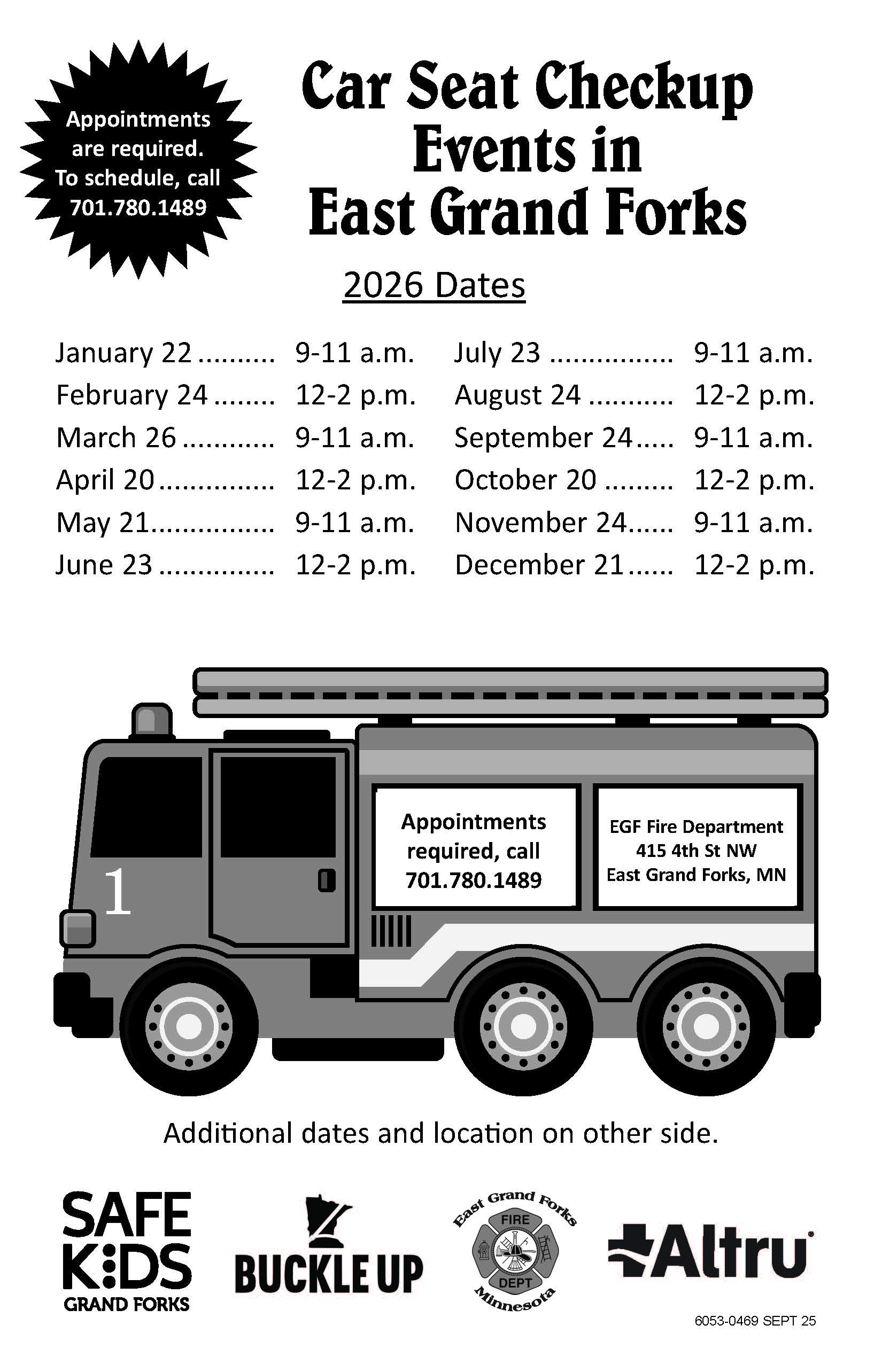

Rydell's checkups are held at 2700 S. Washington Street on the second Thursday of each month, 4–7 p.m.
Grafton, North Dakota
.jpg)
With Walsh County Public Health: call 701-352-5139 to schedule.
Crookston, Minnesota
With Polk County Public Health: call 218-281-3385 to schedule.
Regional checkup events
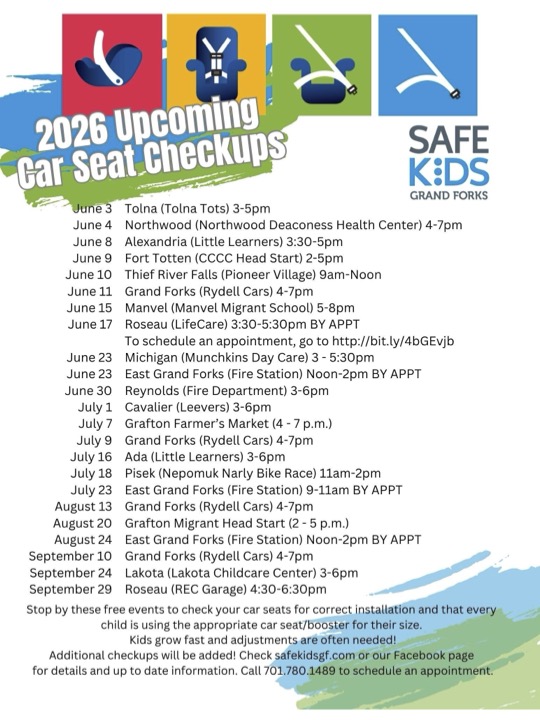
From late spring through early fall, our team travels across North Dakota and Minnesota with community partners. Dates, times, locations, and appointment requirements are on the summer flyer (updated as sites are added). Thanks to North Dakota Vision Zero, Buckle Up Minnesota, and State Farm for supporting these events.
Download 2026 summer checkup events (flyer image, JPG)
About checkups
Certified child passenger safety technicians inspect the seat, check recalls and fit for your child's age and size, and teach you to install and use the seat correctly. Plan about 15–20 minutes per seat. Seats are often available by donation; ask about help if cost is a barrier. Expectant parents are encouraged to attend Bringing Home Baby before delivery.
For other regional dates, email safekids@altru.org, call 701-780-1489, or see the events calendar.
- North Dakota events: ND Health and Human Services — CPS events
- Minnesota: Minnesota OTS — child passenger safety and Buckle Up Minnesota — get my car seat checked
State laws
North Dakota
- Children under 8 must ride in a child restraint (car seat or booster) used according to the manufacturer's instructions.
- Children 8 through 17 must use a seat belt or child restraint correctly.
- The law applies to all seating positions; the driver is responsible for occupants under 18.
- Penalty: $25 fine and one license point for the driver.
- Official overview: ND child passenger safety
- ND CPS law and best practices flyers:
Minnesota
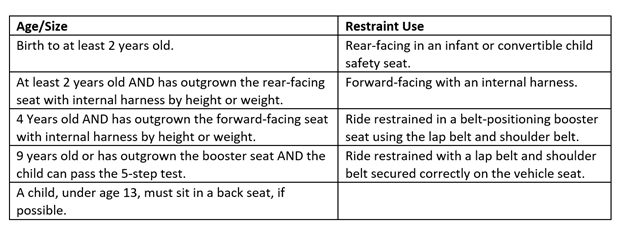
Minnesota statute 169.685 — child passenger safety
Other states
When traveling, drivers must follow each state's laws. Summaries by state: Governors Highway Safety Association.
Bringing Home Baby
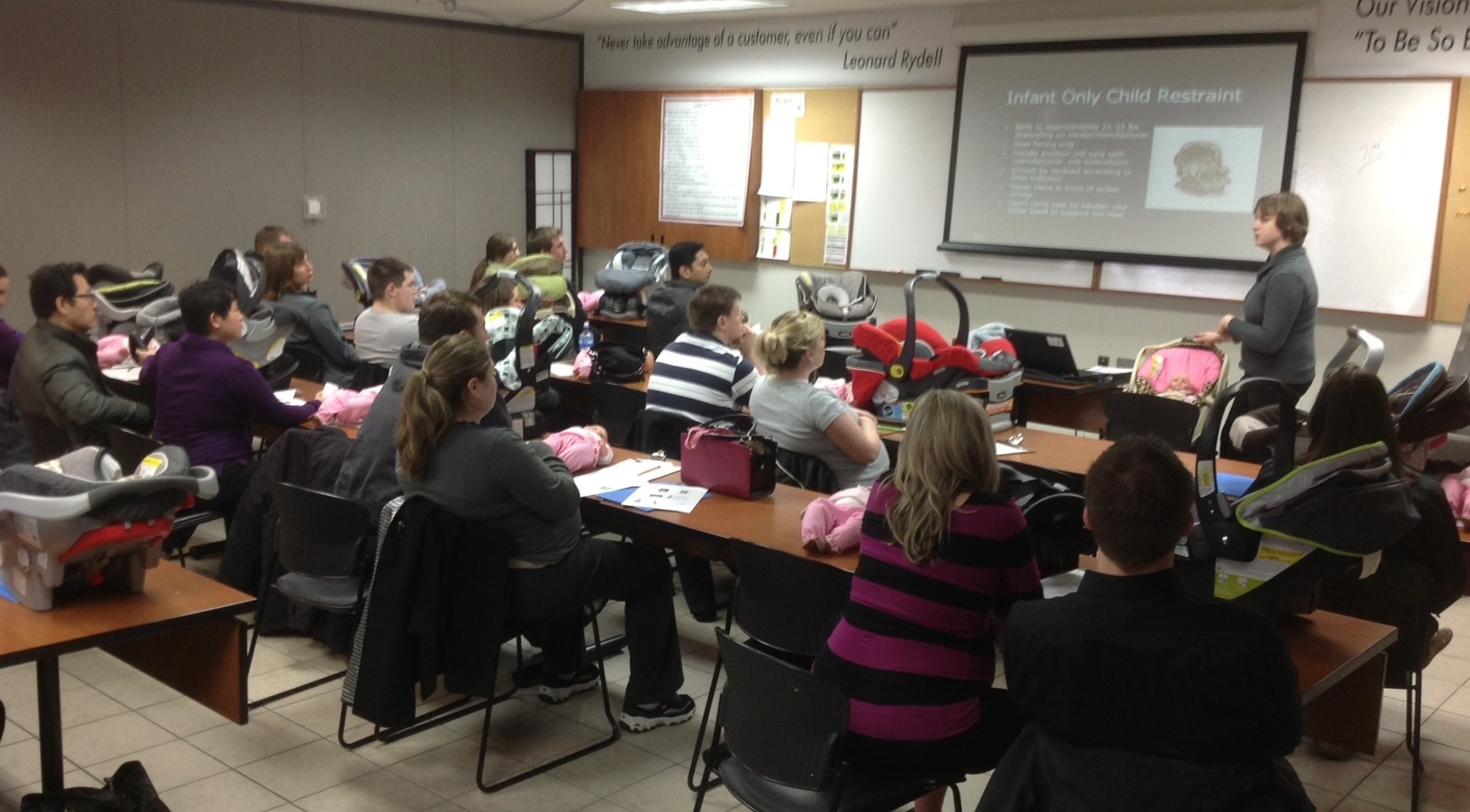
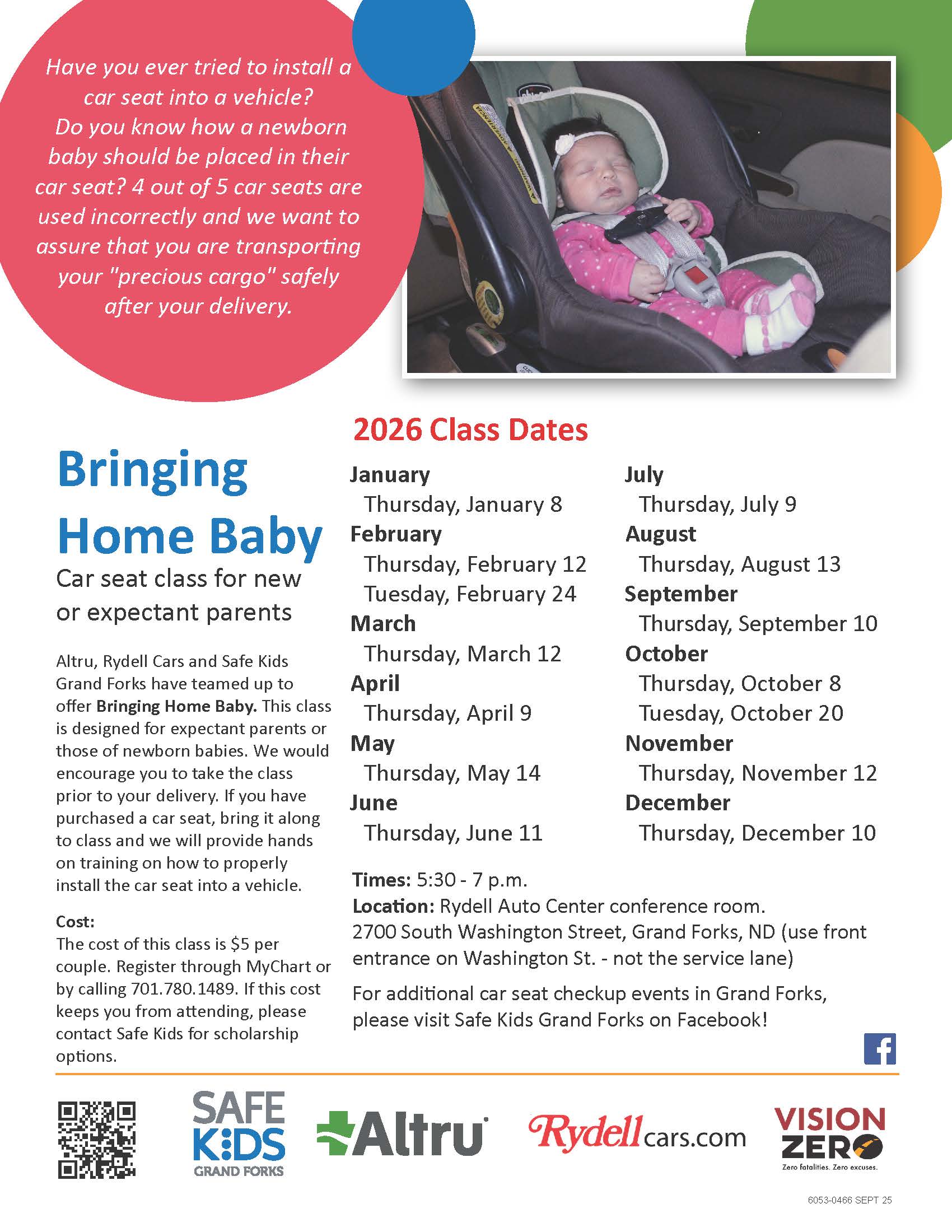
Most car seats are misused. Bringing Home Baby, from Altru Health System and Safe Kids Grand Forks, helps expectant and new parents transport newborns safely. Take the class before delivery if you can; bring your seat for hands-on installation help.
Cost is $5 per couple. Register through MyChart or call 701-780-1489. Scholarships are available—contact Safe Kids if cost is a barrier.
2026 Bringing Home Baby flyer and schedule
Finding car seat assistance near you
Certified technicians across the country can answer questions, check installations, and guide seat selection. Use these hubs to find help:
- North Dakota: ND CPS assistance and events
- Minnesota: Buckle Up Minnesota — checkups near you
- National overview: GHSA — child passenger safety
Car seats are not cribs
A car seat in a vehicle is angled to keep a baby's airway open. On the floor or another surface, an infant's head can fall forward and restrict breathing. Always move your baby to a safe sleep surface after the ride.
B.E.S.T. (Basic Education for Safe Travel)
Formerly called C.A.R.S., this hybrid course meets Minnesota child care and foster licensing expectations for car seat training. It is open to anyone who wants structured education on laws, seat selection, and installation.
.jpg)
Best practices for buckling children
The North Dakota Department of Health and Human Services recommends using a restraint correctly on every ride and keeping children 12 and under in the back when possible. Follow your car seat manual and vehicle owner's manual.
Rear-facing
- Ride rear-facing until at least age 2 or until the seat's rear-facing limits are reached—longer is better when the seat allows (often 40–50 lb).
- Never place a rear-facing seat in front of an active air bag.
- Rear-facing-only seats and convertible seats each have specific weight and height limits—use the seat to its maximum rear-facing limit.
Forward-facing
- After outgrowing rear-facing limits, use a forward-facing seat with a harness until at least 40 lb and age 4, and until the harness limits—higher harness weights add safety.
Booster seats
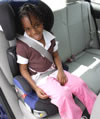 Move to a booster only after outgrowing the forward-facing harness. Use a booster with lap and shoulder belts until about 4'9" tall and the belt fits correctly—often up to 80–120 lb depending on the model.
Seat belts
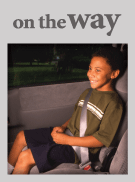 The lap belt should lie on the upper thighs, not the belly; the shoulder belt should cross the shoulder and chest, not the neck or face.
Every ride
- Select a seat that fits your child's age, size, and development.
- Register the seat and check for recalls; note expiration dates.
- Secure the harness or belt snugly per instructions.
- Install the seat tightly with the seat belt or LATCH as allowed.
- Check NHTSA for recalls; avoid used seats with unknown crash history.
- Basic car seat safety
- General car seat information
- Rear-facing-only seats
- Convertible seats
- Harness boosters and belt-positioning boosters
- Buckle in the back
- Winter coats and car seats — infants
- Winter coats and car seats
- Winter coats and car seats — video
Replacement and disposal of car seats
After a crash
Follow your seat manufacturer's policy; some require replacement after any crash. NHTSA defines a minor crash (replacement may not be required) only when all of the following are true: no visible damage to the seat; vehicle was driven from the scene; door nearest the seat was undamaged; no occupant injuries; and air bags did not deploy. Replace belts that were in use during a significant crash per vehicle manufacturer guidance. Insurance often covers new seats—call Safe Kids at 701-780-1489 if you need documentation.
Recycling used seats
 Safe Kids Grand Forks recycles car seats. Drop seats at the Safe Kids office (lower level, Altru Clinic, 607 DeMers Avenue, East Grand Forks), Monday–Friday, 7 a.m.–5 p.m., outside the downstairs elevator, or bring them to checkup events. Do not leave seats in dumpsters or on the curb.
Heatstroke in cars
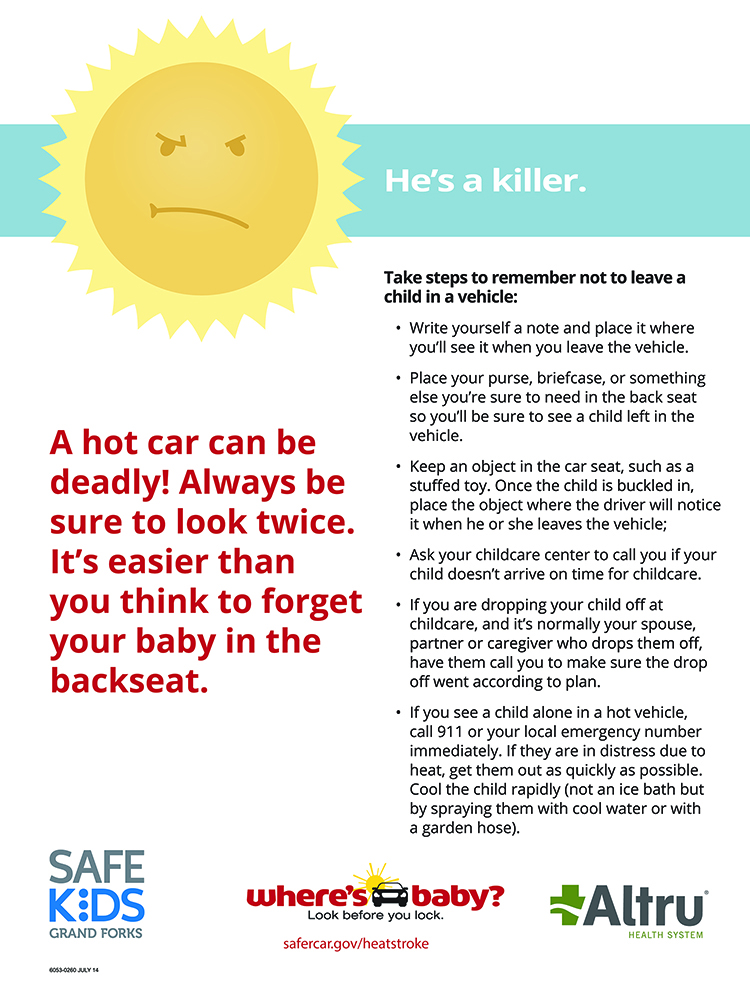
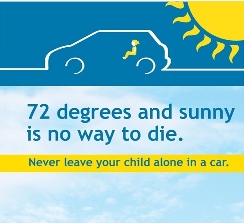 Vehicle interiors can be 30–40°F hotter than outside; children's bodies heat faster than adults'. Even mild days can be dangerous.
Tips and national campaigns: Safe Kids — heatstroke.
 For Safe Kids Grand Forks "LOOK" window clings, email safekids@altru.org with quantity and mailing address.
- Heatstroke — Kate's story (print)
- Summer vehicle safety — heatstroke
- Summer vehicle safety — ACT
- Heatstroke awareness poster
Special needs car seats
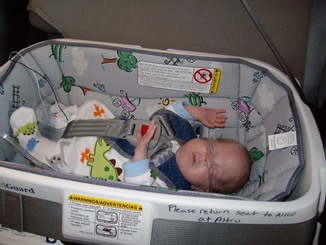 Some children need specialized restraints. Altru Health System supports families with special transportation needs, including the Wallenberg seat for hip or arm casts (approximately 5–80 lb, up to 60 in.) and E-Z ON products such as the Modified Vest for children who must lie down during transport.
Plan ahead with a technician when surgery, casts, or medical equipment are expected.
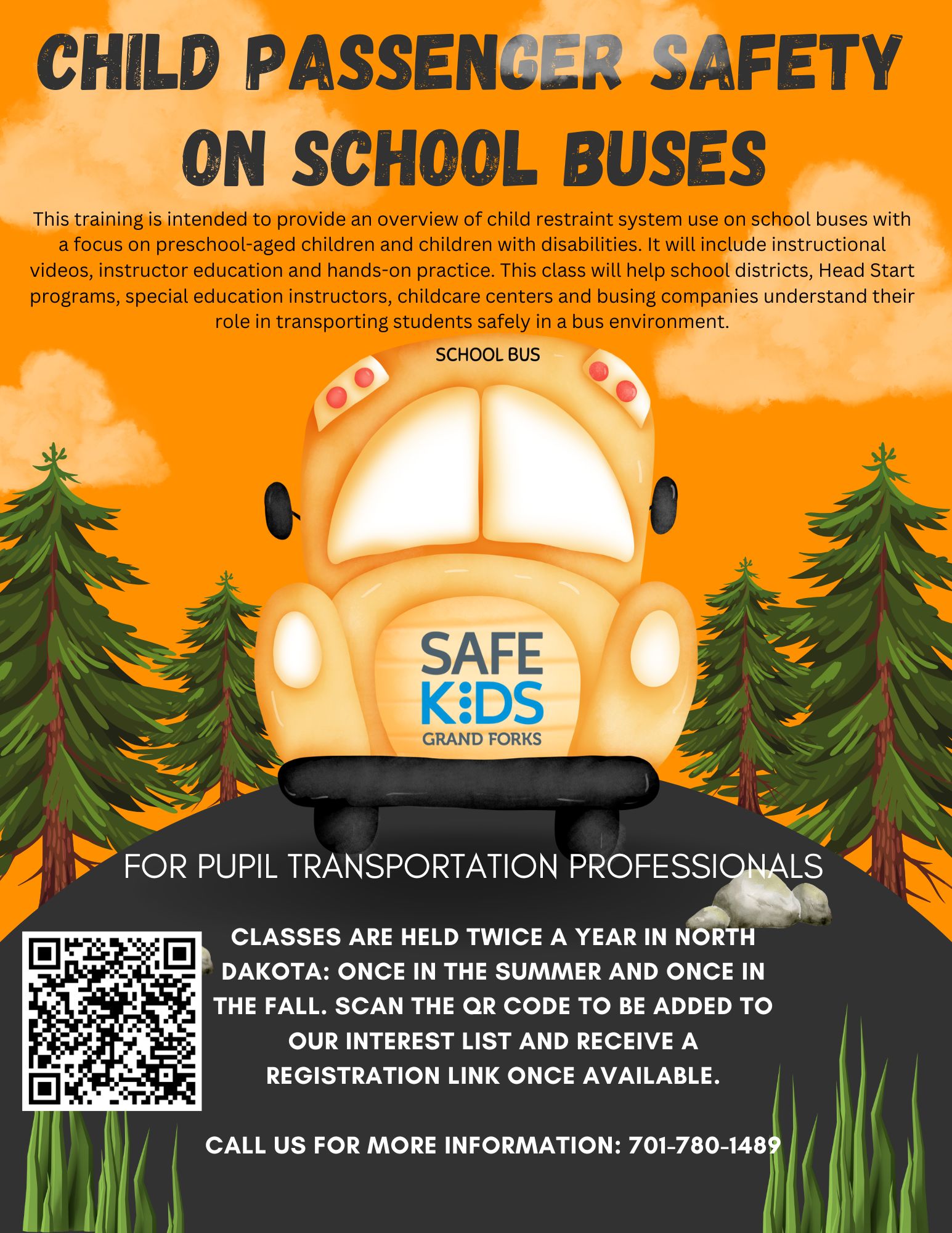
Child passenger safety on school buses
Safe Kids Grand Forks helps schools, Head Start programs, child care centers, and districts choose appropriate restraints and training when children ride buses. Contact us for complex seating questions.
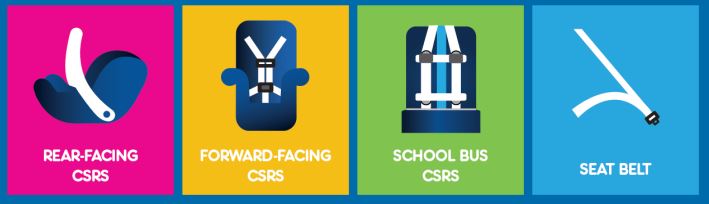
School bus transportation training
- Full course — about eight hours; geared toward staff who are not certified technicians.
- CCPST course — about 5.5 hours for certified child passenger safety technicians (less focus on conventional car seats).
Sign up for school bus training notifications
School bus passenger safety flyer
Other CPS topics
Carpooling
Federal standards and used seats
Buy new seats when possible so labels, instructions, and FMVSS compliance are clear. If a used seat is unavoidable, confirm recalls, full parts, labels with manufacture date and model, and no crash history. Insurance may cover replacement after crashes that meet criteria—contact us for help.
Recalls
Register every seat; call the manufacturer or NHTSA (1-800-424-9393) or CPSC (1-800-638-2772) for recall questions.
LATCH (lower anchors and tethers)
Forward-facing harnessed seats require a top tether when used with lower anchors or seat belt per instructions. Vehicles since 2000–2002 have tether anchors; lower anchors are in at least two rear positions. See your vehicle manual for locations.
One person, one belt
- Never hold a child on your lap in a moving vehicle.
- Never share one belt between two people.
- Cargo areas and pickup beds are not safe for passengers.
Older children and seat belts
Air bags
Air bags deploy with tremendous force. Infants in rear-facing seats must never ride in front of an active air bag. Children 12 and under should ride in the back, properly restrained. Everyone should wear lap and shoulder belts; front seats should be pushed back as far as practical.